CBG vs. CBD: The Definitive Guide to Cannabinoids
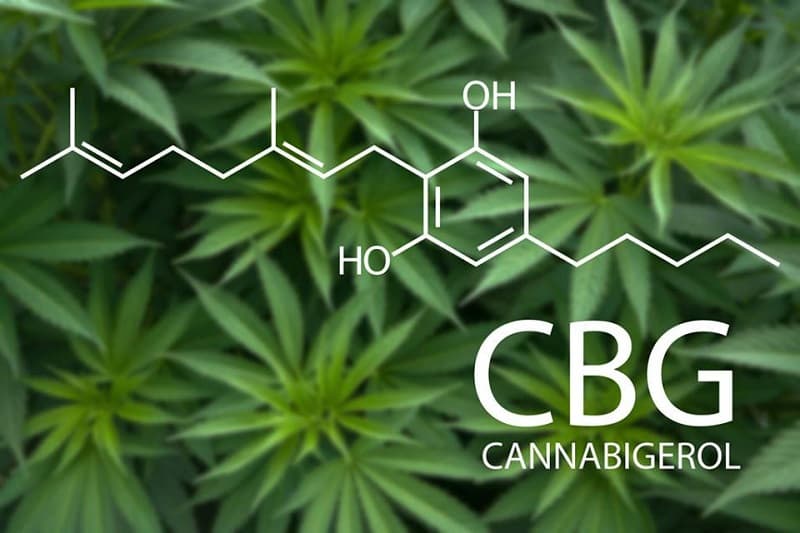
CBG vs. CBD: The Definitive Guide to Cannabinoids
For decades, the conversation around cannabis focused almost exclusively on one molecule: THC. It was the star of the show, the reason for the high, and the primary focus of growers and consumers alike. Then came the wellness revolution of the 2010s, which thrust a non-intoxicating compound called CBD (Cannabidiol) into the spotlight. CBD changed the global perception of cannabis, shifting it from a recreational substance to a therapeutic tool.
But as the cannabis industry matures and science digs deeper into the plant's chemistry, a new contender has emerged from the shadows. It is rarer, harder to harvest, and potentially more potent in specific therapeutic areas than CBD. Its name is CBG (Cannabigerol).
If CBD is the "King" of wellness, CBG is often called the "Mother of All Cannabinoids."
For consumers navigating the expanding menus of online dispensaries and wellness shops, the choice between these two can be confusing. Is CBG just "better" CBD? Do they do the same thing? Should you take them together?
This comprehensive guide will deconstruct the science, benefits, and differences between CBG and CBD, helping you decide which cannabinoid—or which combination—is right for your body.
_-Therapeutic-Potential-and-Safety-Profile.jpg?v=1747295157)
The Origin Story: Why CBG is the "Mother"
To understand the difference between these two compounds, we have to look at the botany of the cannabis plant. They are not just siblings; they share a unique lineage.
The Biosynthesis Pathway
In the early stages of the cannabis plant’s growth cycle, neither THC nor CBD exists. Instead, the plant produces a precursor acid called CBGa (Cannabigerolic Acid). This is the stem cell of the cannabis plant.
As the plant matures and is exposed to heat and UV light, enzymes break down CBGa and convert it into the three primary cannabinoid lines:
-
THCa (which becomes THC)
-
CBDa (which becomes CBD)
-
CBCa (which becomes CBC)
In a typical fully mature cannabis plant, almost all the CBGa has been converted into these other compounds, leaving less than 1% of the original CBG behind. This is why CBG is considered a "minor" cannabinoid—not because it is less important, but because it is naturally scarce.
CBD, on the other hand, is a "major" cannabinoid. In hemp plants specifically bred for wellness, CBD can make up 15-20% of the plant's biomass.
The Takeaway: CBD is abundant and easy to extract. CBG is rare, requires harvesting plants early (before the conversion happens), and is historically much more expensive to produce. However, new breeding techniques are creating high-CBG strains (often called "White CBG" due to the frosty white appearance of the trichomes), making it more accessible than ever before.
Mechanism of Action: How They Talk to Your Body
Both CBD and CBG work by interacting with the Endocannabinoid System (ECS), a vast network of receptors (CB1 and CB2) found throughout the human body. The ECS is responsible for maintaining homeostasis—keeping your body balanced in terms of sleep, appetite, pain, and immune response.
However, the way they interact with this system is fundamentally different. This is the key scientific distinction that dictates their different effects.
CBD: The Indirect Modulator
CBD is interesting because it does not bind strongly to the main cannabinoid receptors (CB1 in the brain, CB2 in the immune system). Instead, it acts as a modulator.
Think of CBD as a dimmer switch. It doesn't turn the lights on or off directly; it changes how the receptors respond to other chemicals. For example, CBD inhibits the enzyme (FAAH) that breaks down anandamide, a molecule naturally produced by your body known as the "bliss molecule." By stopping the breakdown of anandamide, CBD allows more of your body's natural "feel good" chemicals to circulate.
This indirect action is why CBD is generally subtle. It doesn't force a reaction; it encourages the body to heal itself.
CBG: The Direct Agonist
CBG is more aggressive. Unlike CBD, studies suggest that CBG acts as a partial agonist to both CB1 and CB2 receptors. This means it binds directly to them, much like a key fitting into a lock.
Because it can plug directly into these receptors—specifically the ones in the brain (CB1) and the gut/immune system (CB2)—CBG can produce more direct, targeted effects. It is often described by users as having a more "noticeable" feeling than CBD, providing a sense of alertness or physical relaxation that is less subtle than its counterpart.
Deep Dive: The Benefits of CBD (The Shield)
CBD has been studied extensively over the last decade. It has cemented its reputation as the ultimate "shield"—protecting the body from stress, inflammation, and over-excitation.
1. Anxiety and Stress Reduction
This is CBD’s crown jewel. By modulating the brain's response to serotonin (the 5-HT1A receptor), CBD has shown immense potential in dampening the "fight or flight" response. It is widely used for Generalized Anxiety Disorder (GAD), social anxiety, and everyday stress management.
2. Systemic Inflammation
CBD is a powerful anti-inflammatory. It works well for systemic issues like arthritis or autoimmune conditions where the body is attacking itself. It "cools down" the immune response.
3. Sleep Regulation
While CBD isn't a sedative in the traditional sense (it won't knock you out like a sleeping pill), its ability to reduce anxiety and physical tension makes it a top-tier sleep aid for people whose minds "won't turn off" at night.
4. Seizure Control
The most concrete medical proof of CBD’s power is Epidiolex, an FDA-approved drug for treating severe forms of epilepsy. This isn't marketing hype; it is clinically proven medicine.
Deep Dive: The Benefits of CBG (The Spear)
If CBD is the shield, CBG is the spear. It targets specific issues with precision, particularly in the gut and the brain. While research is newer, the findings are incredibly promising.
1. Gut Health and IBD
This is where CBG truly shines. The human gut is lined with cannabinoid receptors. A 2013 study on mice found that CBG significantly reduced inflammation in the colon. It is showing massive potential for treating Inflammatory Bowel Disease (IBD), Crohn’s Disease, and Colitis. Users with sensitive stomachs often report that CBG provides relief that CBD does not.
2. Focus, Energy, and ADHD
Unlike CBD, which is calming and sometimes sedating in high doses, CBG has a reputation for being mildly stimulating. It binds to adrenergic receptors (associated with adrenaline and focus). Many users replace their morning coffee with CBG oil because it provides mental clarity and focus without the jitters. It is increasingly being explored as a natural alternative for managing ADHD symptoms.
3. Neuroprotection and Glaucoma
CBG has strong neuroprotective properties. Historically, one of the first potential medical uses discovered for cannabis was treating Glaucoma. It turns out, CBG is highly effective at reducing intraocular pressure in the eye. Furthermore, studies on Huntington’s Disease in animal models have shown that CBG acts as a neuroprotectant, shielding nerve cells from damage.
4. Appetite Stimulation
While CBD tends to be neutral or even appetite-suppressing, CBG acts more like THC in this regard: it can stimulate appetite. This makes it a potential therapeutic tool for patients undergoing chemotherapy or suffering from muscle-wasting diseases, allowing them to eat without the intoxicating high of THC.
5. Antibacterial Properties (MRSA)
In a fascinating turn of events, McMaster University researchers found that CBG was effective at killing MRSA (Methicillin-resistant Staphylococcus aureus), a drug-resistant bacteria. CBG attacked the bacteria's biofilm, suggesting it could be a future weapon in the fight against superbugs.
Head-to-Head Comparison: Which One Do You Need?
To simplify the decision, here is a direct comparison based on common user needs.
|
Goal |
Winner |
Explanation |
|
Anxiety & Panic |
CBD |
CBD’s interaction with serotonin receptors makes it the superior choice for mental calm and panic reduction. |
|
Physical Pain |
Tie |
CBD is better for inflammatory pain (arthritis). CBG is better for neuropathic pain and muscle tension. |
|
Gut Issues (IBS/IBD) |
CBG |
CBG’s direct binding to gut receptors makes it the clear winner for digestive health. |
|
Sleep (Insomnia) |
CBD |
CBD promotes relaxation. CBG can be mentally stimulating for some, which might keep you awake. |
|
Focus & Energy |
CBG |
CBG increases alertness and concentration, whereas CBD can sometimes cause drowsiness. |
|
Appetite |
CBG |
If you need to eat, choose CBG. If you want to avoid munchies, stick to CBD. |
|
Availability/Price |
CBD |
CBD is everywhere and affordable. CBG is often priced as a premium "craft" product. |

The Entourage Effect: Why Not Both?
The debate of "CBG vs. CBD" often misses the bigger picture. The cannabis plant didn't evolve these compounds to work in isolation; it evolved them to work together. This synergy is known as the Entourage Effect.
When you take CBD and CBG together, they often amplify each other's benefits while mitigating downsides.
For example:
-
For Pain: CBG attacks the physical pain signals while CBD reduces the inflammation causing the pain.
-
For Anxiety/Focus: CBD takes the edge off the anxiety, while CBG prevents the mental fog or lethargy that high doses of CBD can cause.
This is why many online dispensaries and wellness brands are now releasing 1:1 CBD:CBG oils. These "full spectrum" or "broad spectrum" blends offer a balanced experience that is often more effective than an isolate of either compound alone.
If you are new to CBG, a 1:1 blend is often the safest and most effective starting point.
How to Use CBG
Because CBG is less common than CBD, you might not find it at your local corner store. However, the online market (MOMs and specialized wellness sites) is full of innovative CBG formats.
1. CBG Oil/Tinctures
This is the most medicinal way to consume it. You drop the oil under your tongue (sublingually) and hold it for 60 seconds. This allows the cannabinoid to bypass the digestive system and enter the bloodstream directly.
-
Best for: Daily regimens, gut health, and anxiety.
2. CBG Flower (White CBG)
Yes, you can smoke CBG. Breeders have developed strains like "Jack Frost" or "White CBG" that are bred to contain almost zero THC and high levels of CBG
-
Appearance: These buds are often incredibly frosty white (because CBG resides heavily in the trichomes) and lack the strong "skunky" smell of THC weed, often smelling more like chamomile, pine, or citrus.
-
Best for: Immediate relief, social smoking without the high.
3. CBG Isolates
This is a white powder that is 99% pure CBG. It has no taste or smell.
-
Best for: Making your own edibles, dabbing, or adding to coffee for a morning boost.
4. Topicals
CBG-infused creams are gaining traction for treating skin conditions like psoriasis and eczema, as well as localized muscle pain.
Safety and Side Effects
Both CBD and CBG are considered non-intoxicating and generally safe for human consumption. According to the World Health Organization (WHO), CBD exhibits no effects indicative of abuse or dependence potential. While CBG has less research behind it, early indicators suggest a similar safety profile.
However, "safe" does not mean "free of side effects."
Potential Side Effects of CBG:
-
Dry Mouth: Like THC, CBG can inhibit saliva production.
-
Appetite Changes: As mentioned, it can make you hungry.
-
Grogginess (in very high doses): While usually stimulating, taking massive amounts can overload the ECS and cause fatigue.
Drug Interactions:
Both CBD and CBG are processed by the liver using the CYP450 enzyme pathway. This is the same pathway used to metabolize many prescription drugs (like blood thinners and antidepressants). If you are on medication that warns against eating grapefruit, you should consult a doctor before taking high doses of cannabinoids, as they can alter how your body processes your medication.
The Future of Minor Cannabinoids
We are currently witnessing a shift in the cannabis industry. We are moving from the "High THC Era" to the "Targeted Wellness Era."
CBG is just the tip of the iceberg. Behind it, we are starting to see CBN (for sleep), CBC (for depression), and THCV (for appetite suppression/energy).
However, CBG stands out because of its foundational role as the "Mother." Its direct interaction with our receptors makes it a uniquely powerful tool for those who haven't found relief with CBD alone.
Conclusion: The Final Verdict
So, who wins the battle of CBG vs. CBD?
The answer depends entirely on what you are trying to fix.
If you are looking for a general wellness supplement to help you sleep better, manage daily stress, and keep inflammation low, CBD is still the King. It is affordable, accessible, and proven.
However, if you are dealing with specific, stubborn issues—particularly gut health (IBD/IBS), bladder issues, glaucoma, or a need for focus without caffeine—CBG is the superior choice.
For the ultimate wellness routine, consider the synergy of the plant. A 1:1 mix of CBD and CBG might just provide the balance your Endocannabinoid System has been craving.
As always, when sourcing these products—especially rare ones like high-quality CBG—look for transparency. Whether you are browsing a local shop or searching through an online cannabis index, ensure the product comes with a Certificate of Analysis (COA) to prove that the "Mother of All Cannabinoids" is actually in the bottle.
Frequently Asked Questions (FAQ)
Does CBG get you high?
No. Like CBD, CBG is non-intoxicating. It will not produce the impairment or euphoria associated with THC. Some users report a feeling of "crispness" or mental clarity, but it is not a "high."
Is CBG legal?
In Canada, CBG is regulated under the Cannabis Act, just like THC and CBD. It is perfectly legal to buy and consume. In the US, it is generally legal if derived from hemp containing less than 0.3% THC
Can I take CBG and THC together?
Yes. Many users report that CBG can actually "smooth out" a THC high. Because CBG binds to the same receptors as THC, it can buffer some of the paranoia or anxiety that high-THC strains can cause, leading to a more balanced experience.
Why is CBG more expensive than CBD?
It comes down to yield. To harvest CBG, growers often have to cut the plants down early (before the CBG converts to CBD or THC). This means they sacrifice the total volume of the harvest. Additionally, specialized equipment is often needed to isolate it. However, as "White CBG" genetics improve, the price gap is closing rapidly.

About the Author
MOM Index Journaling Team
This article was written by the MOM Index Staff, a dedicated team committed to providing reliable and up-to-date information about the Mail Order Marijuana (MOM) industry.
Our goal is to help cannabis consumers make informed decisions by offering in-depth reviews, product guides, and insights into the best online dispensaries in Canada. We strive to ensure transparency and trust in the industry.